ServicesTorque & Cleans
Panel Torque & Clean Service in Dalworthington Gardens
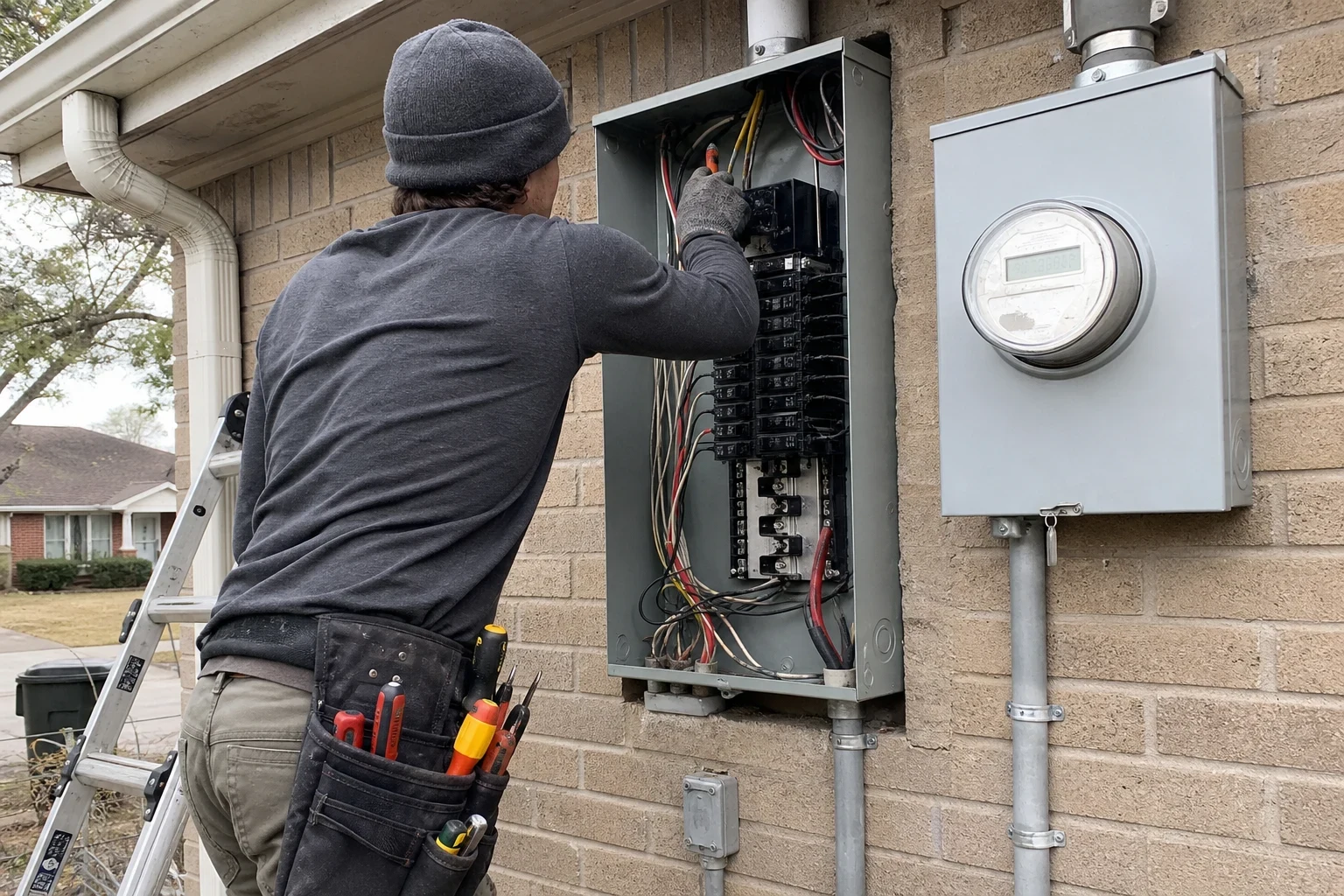
As wires warm up and cool down, their connections work loose a little at a time. A torque and clean sets each terminal in your panel back to the manufacturer's tightness spec, removes dust and debris, and points out heat-stressed parts before they turn into a failed breaker or a burned lug.
What a torque and clean actually does
Every screw terminal in your panel clamps a wire with a set amount of force. Each time current flows, copper and aluminum expand slightly, then contract as they cool. Over years, that clamping force drops. A loose joint adds resistance, resistance makes heat, and heat loosens the joint further. From outside the panel door, you usually can't see any of it.
On a visit, we remove the dead front, check the main lugs, breaker terminals, and neutral and ground bars against the torque values on the panel label, then tighten each one with a calibrated tool. We clean out the dust that settles inside and look closely at the insulation, bus and breakers.
This is maintenance, not a repair call. If we find a damaged breaker or a burned conductor, we stop, show you and explain the options before anything else happens. The same small crew that opens your panel closes it up and walks you through what we saw.
What's included in the visit
- Measured torque, not feel
- We use a calibrated torque screwdriver and wrench on the main lugs and every breaker terminal. Specs vary by panel brand and wire size, so we read the label rather than guess. Overtightening crushes strands and cracks terminals, which is as harmful as leaving them loose.
- Neutral and ground bars
- Loose neutrals are a common cause of flickering lights and uneven voltage between circuits. We tighten every neutral and ground screw and note any bar holding two wires under one screw where the panel isn't listed for it.
- Cleaning the enclosure
- Dust, cobwebs and insect nests trap heat and hold moisture against metal parts. With the main off, we vacuum and wipe the interior using non-conductive brushes and attachments.
- Close inspection for heat and corrosion
- We look for discolored or brittle insulation, pitted bus stabs, rust and arc marks. Aluminum conductors get extra attention, including whether antioxidant compound was used where the manufacturer calls for it.
- Outdoor disconnect and panels mounted outside
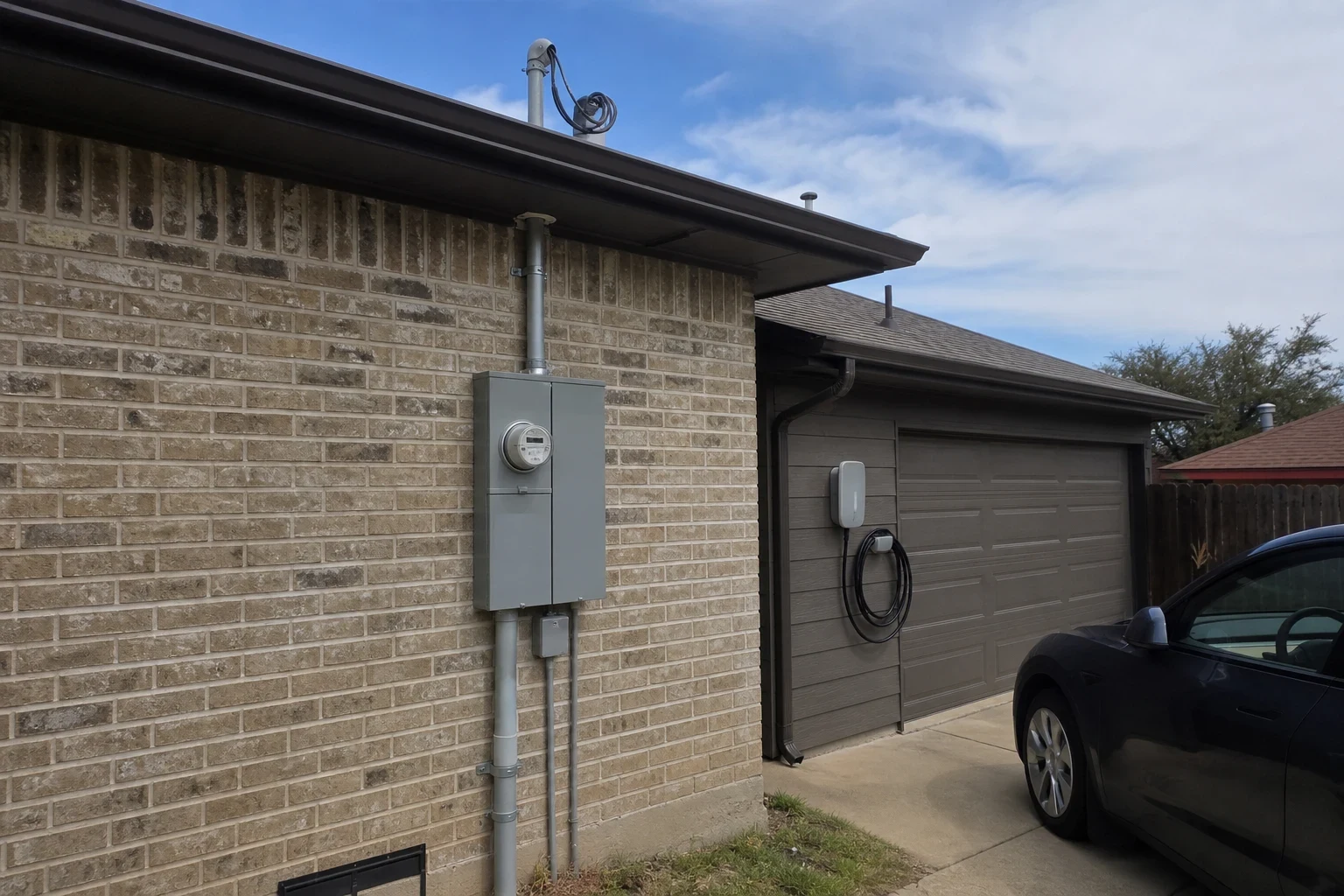
- If your home has an exterior disconnect or panel, we check that enclosure as well, including the cover gasket, the knockouts and any rust forming along the bottom edge.
- Written findings with photos
- You get a short written summary and photos of anything worth fixing now or watching later.
When it's time to have the panel opened up
Warmth you can feel at the cover
Breakers normally stay close to the temperature of the room around them. If one feels warm under your palm, a terminal behind it has often worked loose.
Lights dim when the AC starts
A brief dip is normal in some homes. A deep or lingering dim, or flicker on circuits that have nothing to do with the air conditioner, can mean a loose main or neutral connection.
Buzzing or a faint hot smell
Crackling, buzzing or a smell like warm plastic near the panel deserves attention soon. Leave the cover on and book a visit.
Nobody has looked inside in years
If you bought the house without a panel check or can't remember the last one, a torque and clean gives you a known starting point.
You're about to add a big load
Before an EV charger, a generator or a battery backup system goes in, it makes sense to confirm the existing connections are sound. A charger running for hours at a time puts real heat through the panel.
How the visit runs
- 1
Book by phone
We set a time and ask about the panel brand, its approximate age and anything you've noticed. Power will be off for much of the visit, so we plan around your refrigerator, home office or any medical equipment.
- 2
Power down and open up
We shut off the main, confirm the load side is de-energized with a tester and remove the cover. The incoming service conductors stay live unless the utility disconnects them, so we treat that section as energized throughout.
- 3
Torque, clean, inspect
Terminals are checked and set to spec one by one, the enclosure is cleaned, and we photograph anything unusual. If something needs repair, we pause and talk with you first.
- 4
Restore and review
We reinstall the cover, bring the main back on and confirm each circuit powers up. Then we go over the findings with you, and you keep the written summary.
What sets the price of your visit
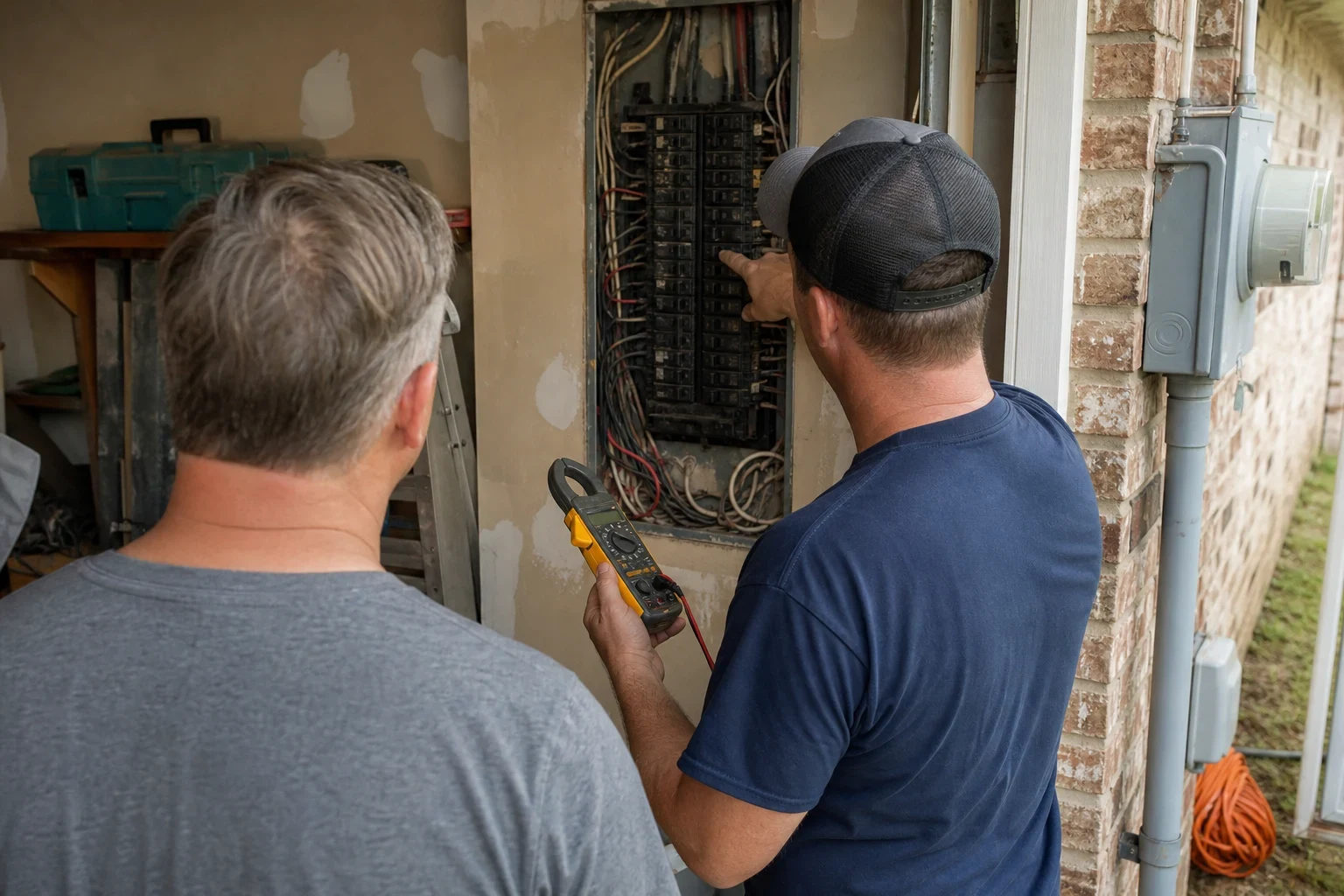
The bulk of the bill is time spent inside the enclosure, so the number tracks how much equipment you have and the shape it's in. You hear the price for the visit before we begin, either by phone or on site. Any repair we recommend is priced on its own, and nothing outside the agreed scope happens without your go-ahead.
- Number of panels
- Each extra enclosure, such as a subpanel feeding the garage or a disconnect on an outside wall, brings its own set of terminals and adds time beyond the main panel.
- Circuit count and panel size
- More breakers means more terminals to check and tighten.
- Condition inside
- Heavy dust, insect nests or corrosion add cleaning and inspection time.
- Access
- A panel behind shelving, in a tight closet or mounted outdoors in full sun can slow the work down.
Questions people ask before booking
Something not covered here? (682) 327-0474
How often should a panel get this service?
There is no fixed schedule for homes. Many owners have one done when they move in, again before adding a big appliance or charger, and every few years after that. Panels with aluminum feeders or long summer AC run times usually benefit most.
Is the power off for the entire visit?
For most of it, since we work with the main breaker shut off. When you book, we give you a rough time based on the size of your panel. Expect to reset clocks and possibly some smart devices afterward.
Could I tighten the terminals on my own?
We don't recommend it. Some parts of the panel remain live with the main off, and screws tightened by feel can crack the terminal or crush the wire. Our licensed and insured electricians work under a Master Electrical License with calibrated tools set to the manufacturer's values.
What if you spot a problem inside?
We pause, show you photos, explain the issue and quote a price before any further work. A bad breaker is usually a straightforward electrical repair. If the panel itself has worn out, we talk plainly about whether a panel upgrade is worth it, and you make the call.
Is the visit covered by a warranty?
It is. Workmanship on your visit comes with a 1-year warranty. If a terminal we tightened gives trouble within that year, call us and the same crew will return to check it.
Have your panel checked before the next long summer
A torque and clean takes a few hours and gives you a clear picture of what's behind the panel door. The same people who book the visit with you are the ones who show up and finish it.