ServicesSurge Protection
Surge Protection in Dalworthington Gardens
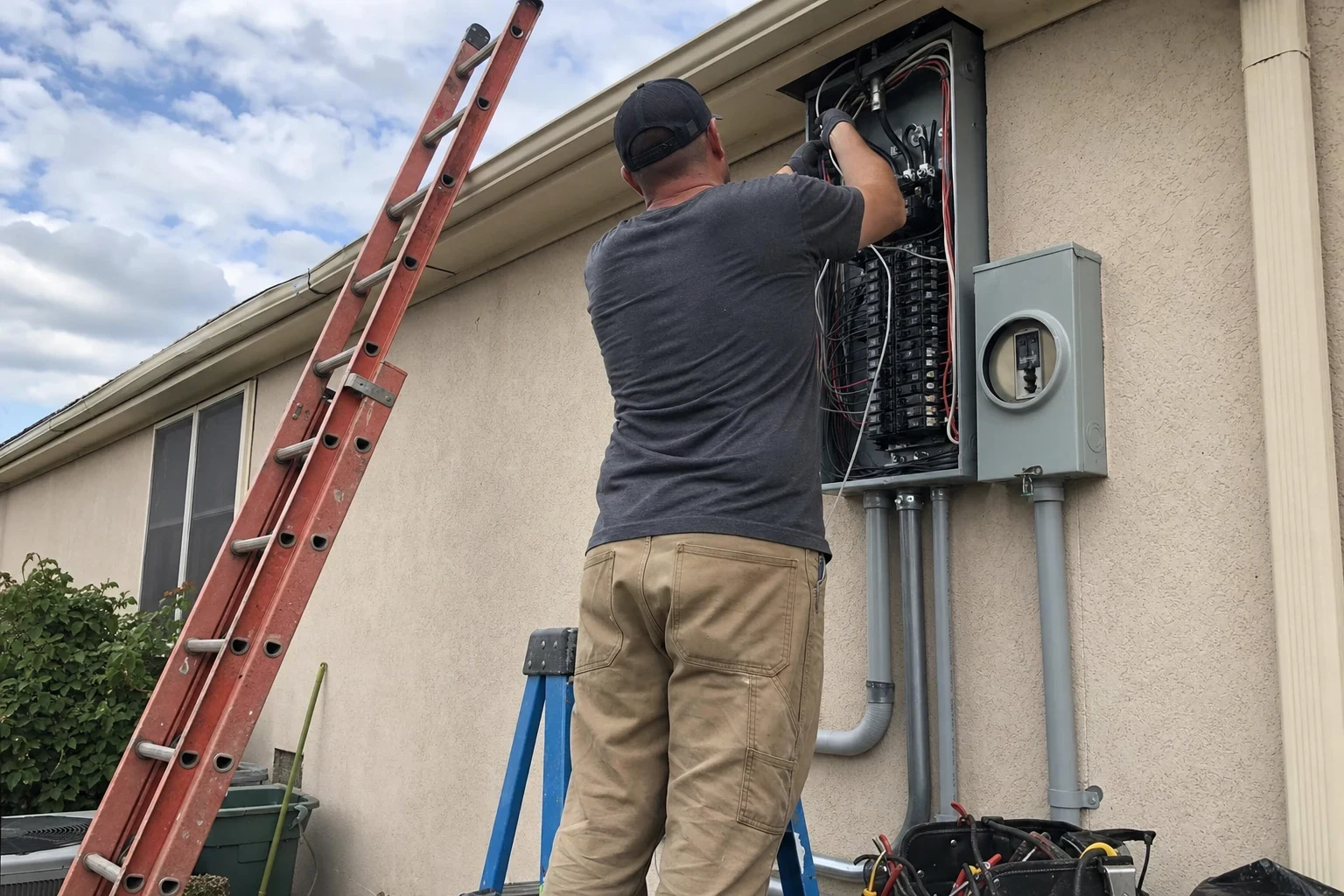
We fit a surge protective device to your main breaker box, confirm the ground path behind it is solid and show you how to read its status light. The same small crew that inspects your panel mounts the device and tests it before we leave.
What a Whole-Home Surge Device Does
A surge protective device mounts beside your service panel and sends short bursts of excess voltage into the grounding system, so they never travel through the branch wiring in your walls. It handles surges that arrive from the utility side, and it also softens the smaller spikes made inside your home every time an air conditioner, well pump or refrigerator compressor cycles on.
Those small internal spikes are the quiet problem. They rarely trip a breaker, but over months they wear down the circuit boards in furnaces, ranges, washers and televisions. A panel-mounted device paired with good point-of-use strips at your computer and entertainment center gives you layered protection rather than one line of defense.
One honest limit: no device makes a home immune to a direct lightning strike. What surge protection does well is reduce the everyday and storm-season damage that shortens the life of the equipment you already own.
What Our Surge Protection Work Includes
Panel and service review
We open the panel, look at its condition and confirm there is room for the device and its breaker. If something else needs attention, we tell you plainly and separate it from the surge work.
Grounding and bonding check
A surge device can only send energy to ground if the ground is sound. We check the grounding electrode connection, the bonding at water and gas lines and the neutral-to-ground arrangement at the main panel.
Device selection
We recommend a unit sized for your service and explain why, without stacking on options you do not need. The device we quote is the device we install.
Clean, short-lead installation
Surge devices work best with short, straight conductors, so we mount close to the panel and keep the leads tight and neat. The finished work is labeled and dressed so the next person who opens the panel can read it.
Point-of-use guidance
We point out the outlets where a quality plug-in protector still makes sense, such as home offices, media equipment and smart-home hubs.
Subpanels and detached spaces
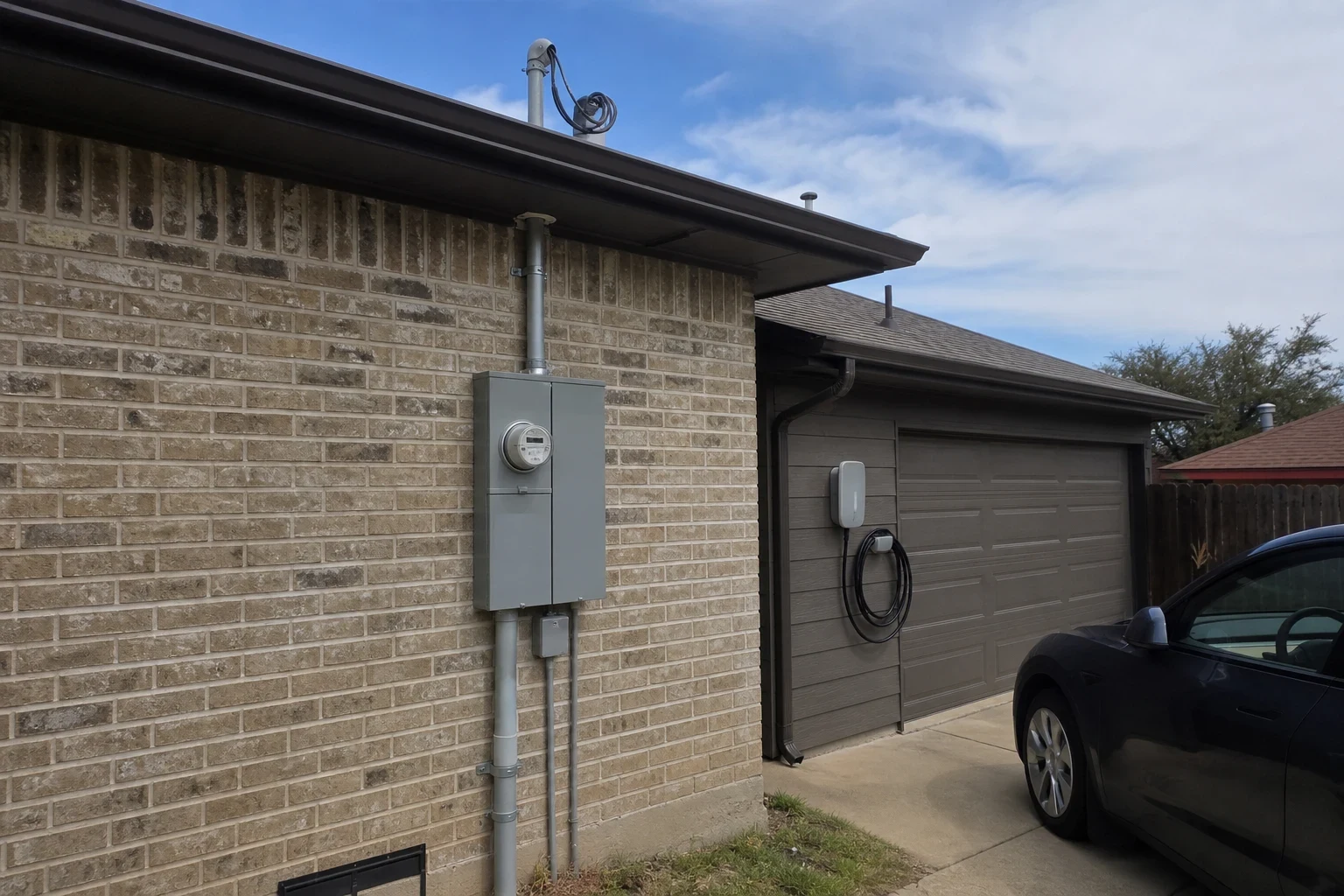
A detached garage, shop or EV charger fed from a subpanel can be protected with its own device when the distance from the main panel calls for it.
Signs Your Home Could Use Surge Protection
Electronics failing early
Control boards in appliances, garage door openers or HVAC equipment that quit well before their age suggests are often worn down by repeated small surges.
Lights dip when large loads start
A flicker when the air conditioner kicks on shows how much your wiring responds to motor startup. Those spikes reach everything else on the circuit too.
Storm season is coming
North Texas spring storms bring frequent nearby lightning and utility switching. A device installed beforehand is ready when it counts.
A planned panel upgrade
Newer code cycles require a surge device on home services that are replaced or upgraded. Folding it into that project means the panel is opened once and the work is done together.
New high-value equipment
A new EV charger, inverter-driven heat pump or home battery system carries electronics worth protecting from the panel out.
An old device with no indicator light
Surge devices wear with each event they absorb. If the status light on yours is dark or you cannot tell whether it works, it is time for a check.
How a Surge Protection Visit Runs
- 1
A short conversation by phone
You tell us about your panel, any equipment that has failed and whether other work is planned. We book a service visit at a time that suits you.
- 2
Inspection at your panel
One of our licensed and insured electricians reviews the panel, grounding and bonding, then walks you through what was found and what we recommend before any work begins.
- 3
Installation and testing
Power is off for a short window while we mount the device, land it on a dedicated breaker and tighten every connection to spec. We restore power, confirm the indicator reads correctly and check that nothing else in the panel was disturbed.
- 4
Walkthrough and cleanup
We show you where the device is, what its status light should look like and when to have it looked at again. The work area is left as tidy as we found it.
What Moves the Cost of Surge Protection
Most of the price comes down to your panel and what we find behind it. A clean installation on a sound panel is straightforward, while grounding repairs or extra panels add time and material. You hear the scope and price at the visit before we start.
- Panel space and condition
- When your panel has free breaker slots, the install stays simple. If every slot is taken or the panel is showing its age, we may need another mounting approach or a talk about a panel upgrade.
- Grounding repairs
- Corroded or missing grounding connections must be corrected for the device to do its job, and that work adds to the scope.
- Device rating
- Units differ in surge capacity and features such as replaceable modules or remote indicators. We match the rating to your service rather than to the top of the catalog.
- Additional panels
- Protecting a subpanel in a garage or outbuilding means a second device and its own installation time.
Surge Protection Questions
Something not covered here? (682) 327-0474
Will a whole-home surge protector stop a lightning strike?
Not a direct strike to your home. It reduces the damage from nearby strikes, utility switching and the many small spikes your own appliances create. That everyday protection is where most of the value lies.
Do I still need plug-in surge strips?
For sensitive electronics, yes. The panel device handles the large surges, and a good point-of-use strip cleans up what is left at the outlet. Together they protect better than either alone.
How long does installation take, and will my power be off?
On a panel in good shape, the work usually fits within part of a day. Power is off only for the portion of the job when we are connecting the device, and we tell you before we shut it down.
What tells me the surge protector is still doing its job?
Look at the indicator on the face of the device; we point it out during the walkthrough. Glance at it after a strong storm. If the light changes color or goes out, the protective element has likely been used up, and we can come out to replace the module or the whole unit.
Who does the work, and is it covered?
Our work is performed under a Master Electrical License, and the installation carries a 1-year workmanship warranty. The same electrician who inspects your panel stays with the job through testing.
Protect the Equipment You Already Own
We will look at your panel and grounding, explain what makes sense for your home and install it carefully. If you are planning panel upgrades or an EV charger installation, we can talk through doing the surge work at the same time.